Why Meta’s $2B Acquisition of Manus Signals the Dawn of Agentic AI Agents

By Rui Wang, CTO, AgentWeb
The Shockwaves of Meta’s $2B Manus Acquisition
When Meta announced its $2 billion acquisition of Manus, it didn’t just make headlines—it sent shockwaves through the entire tech industry. According to Bloomberg (source), this deal isn’t just about acquiring another startup. It’s a strategic bet on one of the most disruptive trends in tech: the rise of AI agents, specifically agentic AI poised to transform how businesses operate.
Let’s break down what this acquisition truly means, why it matters, and how it signals a new era for marketers, founders, and anyone building for the future.
Understanding Agentic AI—and Why Meta Cares
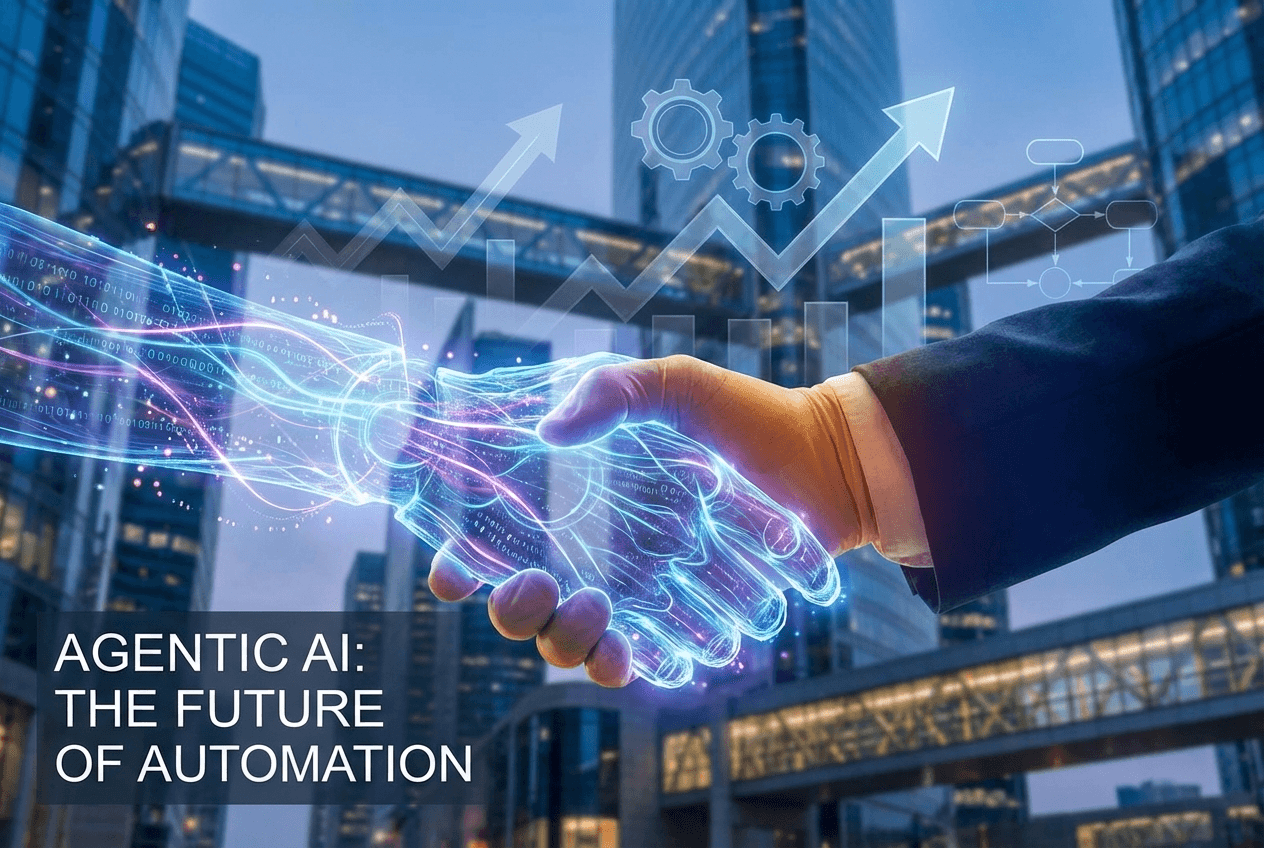
Before diving into the implications, it’s crucial to define what agentic AI is. Traditional AI models, like large language models, process information and generate outputs—but they don’t act autonomously. Agentic AI changes the game. These are systems designed to:
- Analyze goals and objectives independently
- Take action across digital platforms
- Learn from feedback and adapt on their own
- Collaborate with humans, not just serve as tools
Meta isn’t just buying Manus for its codebase or engineering talent. They’re investing in a future where AI agents become proactive collaborators, handling everything from customer communication to marketing automation without constant human oversight. Manus’s breakthroughs in agentic AI enable these agents to make complex decisions, orchestrate workflows, and execute marketing strategies end-to-end.
Why $2B? The New Arms Race for Intelligent Agents
The price tag tells you everything: Meta sees agentic AI as the next platform shift, comparable to the rise of the smartphone or social media. Here’s why:
- Autonomous Workflow Automation: AI agents powered by Manus tech can manage entire marketing campaigns, from content generation to A/B testing, adapting in real time based on performance data.
- Cross-Platform Integration: Agentic AI can move seamlessly between email, social, paid media, and even CRM tools, optimizing marketing automation in ways no human team can scale.
- Learning and Evolution: These agents don’t just follow rules—they experiment, learn, and improve, making marketing strategies more nimble and effective over time.
For startup founders, this means the cost of building a world-class marketing engine is about to drop dramatically, while the potential for experimentation and growth skyrockets.
Practical Example: Marketing Automation in a Post-Manus World
Let’s get specific. Imagine you’re launching a SaaS product with a small team. Before, you’d need marketers, content writers, data analysts, and a CMO to oversee everything. In the new world Meta is building:
- AI agents automatically research your target audience using web and social data.
- They generate high-converting landing pages, personalized email sequences, and social ads in your brand’s tone of voice.
- As campaigns run, agentic AI continually monitors engagement, reallocating budget, adjusting copy, and experimenting with audience segments.
- All insights are pushed to your dashboard—no manual reporting required.
This isn’t about replacing marketers, but giving them superpowers. The agentic AI handles 80% of the grunt work, allowing humans to focus on creative strategy and vision.
The Competitive Implications: Why Founders Must Pay Attention
Meta’s Manus deal is a wake-up call. If you’re building a business, you can’t afford to ignore the rise of AI agents. Here are actionable steps to future-proof your company:
- Invest in agentic AI literacy: Start learning how agentic AI differs from traditional automation. Even a basic understanding helps you spot new opportunities.
- Audit your marketing stack: Which workflows could be automated by a smart agent? Identify bottlenecks where autonomy would add the most value.
- Prototype with open tools: Platforms like AgentWeb are already integrating agentic AI concepts that let you test-drive automation before it goes mainstream.
- Stay close to the ecosystem: Partner with startups, join AI-focused communities, and keep an eye on what industry leaders like Meta are doing.
How Agentic AI Transforms Marketing Automation
Marketing automation isn’t new, but agentic AI takes it to unprecedented levels. Here’s how the landscape will shift:
- Personalization at Scale: AI agents can tailor experiences for thousands of micro-segments, testing multiple value propositions simultaneously.
- Full-Funnel Optimization: Instead of optimizing one channel, agentic AI views the customer journey holistically, making data-driven adjustments in real time—from ad impression to post-sale nurturing.
- Continuous Experimentation: Humans tire and budgets run out. AI agents can run thousands of micro-experiments 24/7, relentlessly searching for the highest ROI.
- Feedback Loops: Agentic AI doesn’t just report on what happened—it learns why, adjusting future strategies based on outcome data.
For growth-stage startups, that means you can punch above your weight against much larger competitors, harnessing the same intelligent automation as Meta itself.
Risks and Realities: It’s Not All Hype
Let’s be clear—there are challenges ahead. Agentic AI introduces new risks:
- Bias and Misdirection: If not carefully supervised, AI agents can learn from flawed data or make off-brand decisions.
- Security and Privacy: Autonomous agents with access to sensitive data introduce new vectors for attack and leakage.
- Human Oversight: Even the smartest AI needs human judgment, especially when handling creative or ethical dilemmas.
Meta’s move with Manus suggests they’re betting on a hybrid approach: powerful agentic AI systems guided by human principles and oversight. For founders, the lesson is clear—invest in governance and transparency as you adopt these new tools.
The Road Ahead: Building with and for AI Agents
This acquisition is just the beginning. The next wave of agentic AI will:
- Enable AI agents to collaborate, negotiate, and even compete with each other in digital marketplaces.
- Unlock new forms of creative partnership between humans and machines.
- Redefine the competitive playing field, where agility and autonomous learning matter more than brute-force resources.
If you’re building a startup or leading a marketing team, the time to experiment is now. Don’t wait for these trends to become industry standards—start prototyping with agentic AI, automate repetitive tasks, and prepare your team for a future where the best ideas are executed at machine speed.
Conclusion: Meta’s $2B Bet Is Your Call to Action
As Meta doubles down on Manus and agentic AI, the rest of the tech world is taking notes. Whether you’re a founder, marketer, or product leader, the rise of AI agents will define the next decade.
Stay curious, invest in the right skills, and build with an eye toward autonomy. The companies that embrace agentic AI and intelligent marketing automation now will be the ones leading the next generation of growth.